Close
Trends


Printed Fabrics View articles
Telas en Colores Lisos View articles
Telas para Imprimir View articles
Trends
Printed Fabrics View articles
Telas en Colores Lisos View articles
Telas para Imprimir View articles


Elige colores lisos a juego con tu estampado favorito. ¡Selecciona aquí alguno de los colores principales!
| Material: | 97% Polyester, 3% Elastane |
| Width (cm): | 150 |
| Grammage (g/m²): | 209 |
| Pattern: | Very Simple, Chart pattern, Decorative, Points, Light |
| Features: | Wrinkled, Elastic, Soft |
| Application / Use: | Pants, Cloths, Skirts, Jeans, Shorts |
| Manufacturing Method: | Single-sided digital textile printing, all products are custom-made to order. |
| Care: |
     |
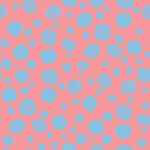
The Bi-elastic Twill Fabric - Lisbon is a twill fabric with a composition of 97% polyester and 3% elastane. With a weight of 209 gr/m2 and a width of 150 cm, this fabric stands out for its rough, elastic, and soft texture. The printed design covering it is of very simple complexity, with graphic and decorative patterns of circles and dots as predominant shapes. The main colors are forest green at 59.68% and white at 18.61%. These colors combine perfectly with plain colors in neutral tones such as black, light gray, or ivory.
This fabric is printed with the design on one side using digital textile printing, which means it is not a double-sided printed fabric but printed on one side only. This printing ensures a very high definition and engraving quality on the fabrics surface.
Regarding its general characteristics, this fabric is very versatile and can be used in different applications. These include womens and mens fashion, such as trousers, skirts, jeans, shorts, bermudas, and dresses. It is also suggested for home textiles, such as for the kitchen with dishcloths, cushions, and even napkins, and in decoration for frames, paintings, and cushions for the living room and bedroom.
In terms of care, this fabric can be washed at a maximum temperature of 30ºC, dry cleaning is allowed except for trichloroethylene, it can be ironed at a cool temperature, and it cannot be tumble dried. Therefore, it is recommended to follow all these instructions to ensure the maximum durability of the fabric.
And finally, the Bi-elastic Twill Fabric - Lisbon is manufactured using sublimation printing technology (polyester), a digital textile printing process that uses heat and pressure to transfer ink to the fabric to obtain a high-quality and durable print.