Close
Click or press [Enter] to view the results
Trends


Printed Fabrics View articles
Telas en Colores Lisos View articles
Telas para Imprimir View articles
Trends
Printed Fabrics View articles
Telas en Colores Lisos View articles
Telas para Imprimir View articles



| Material: | 96% Polyester, 4% Elastane |
| Width (cm): | 150 |
| Grammage (g/m²): | 220 |
| Features: | Soft, Thin |
| Application / Use: | Shirts, Skirts, Blouses, Dresses, Handkerchiefs |
| Manufacturing Method: | Single-sided digital textile printing, all products are custom-made to order. |
| Care: |
|
| Notices: |
Existen diferentes tipos de Sarga disponibles sen nuestra web, este tejido es una Sarga fina de bajo gramaje. Recomendamos adquirir una muestra para validar que es la textura que busca. |
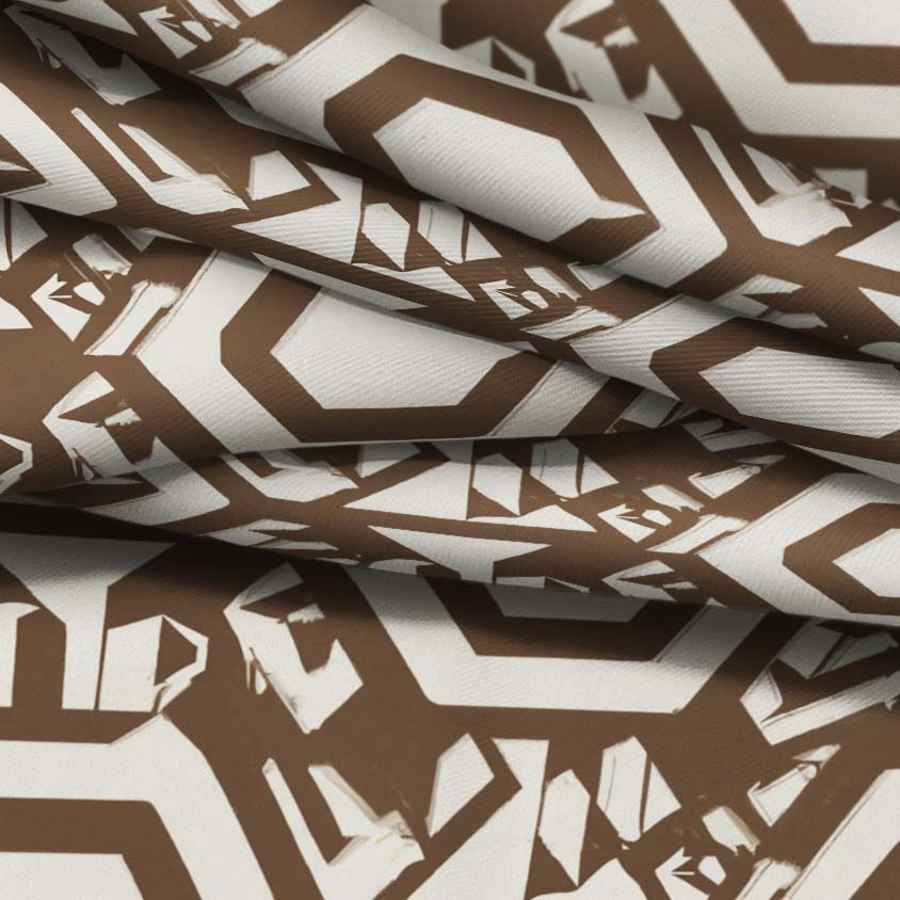
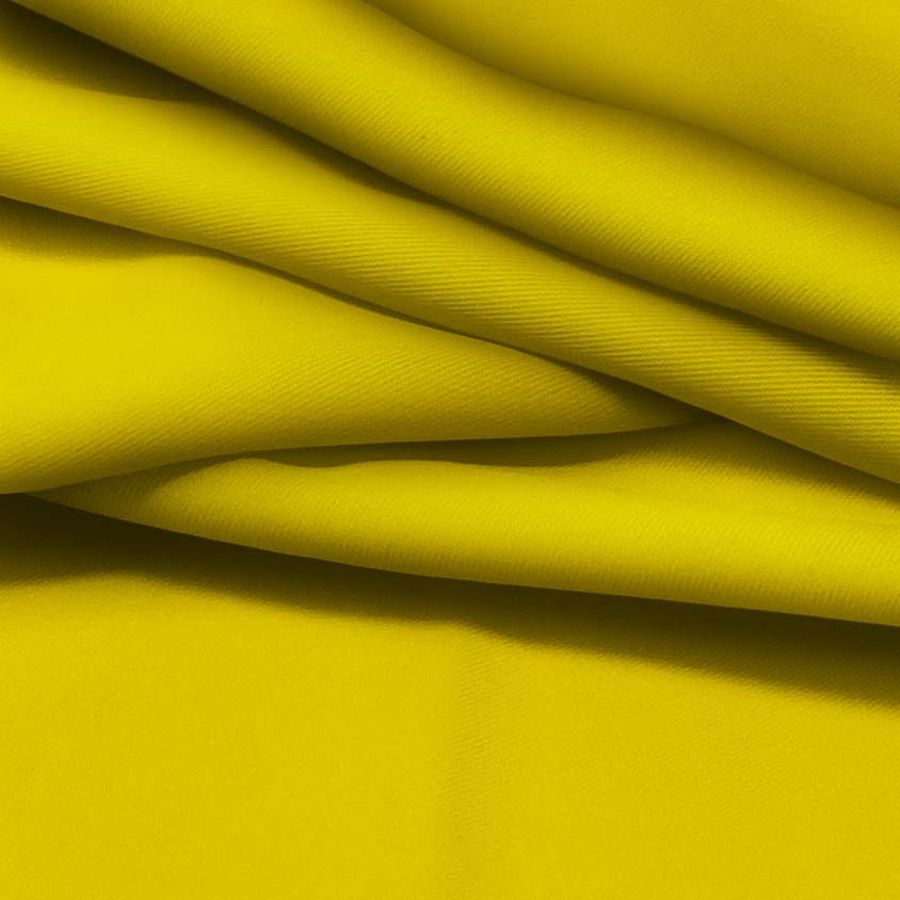
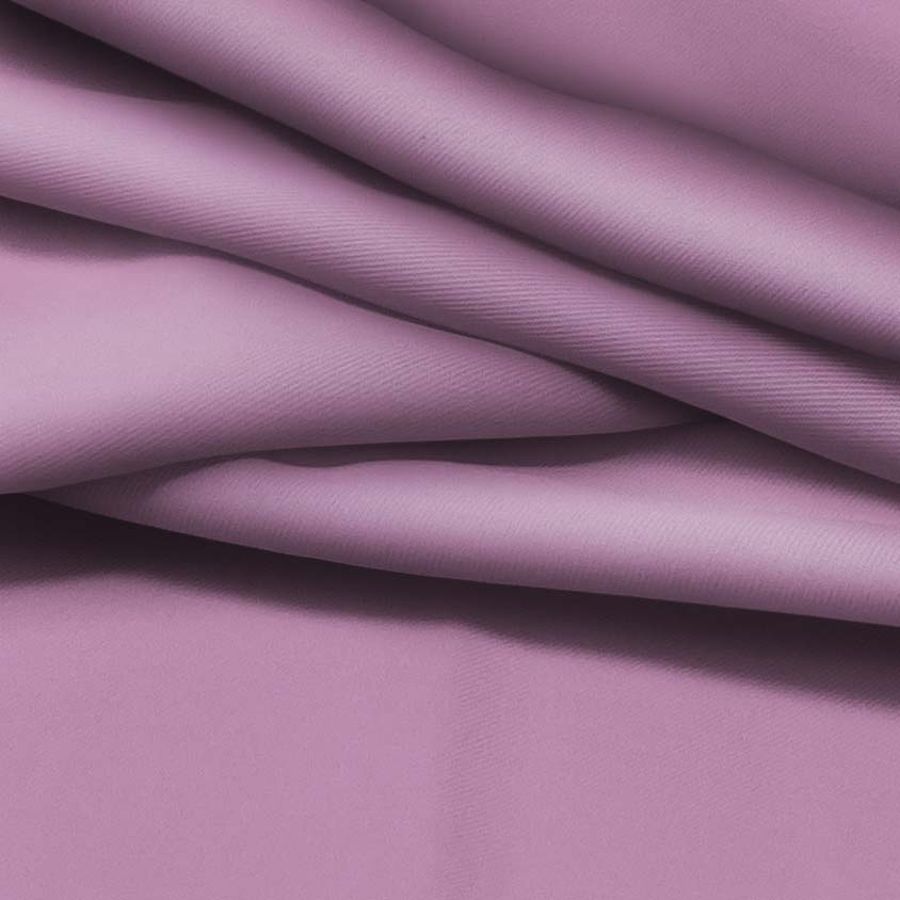
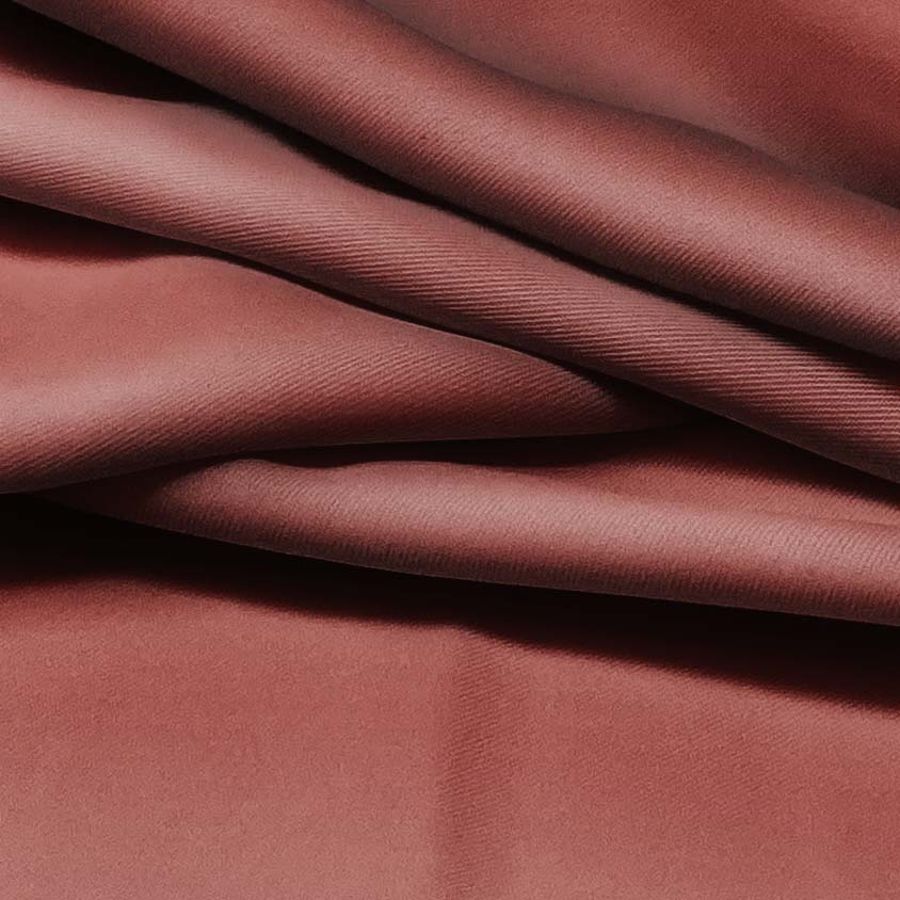
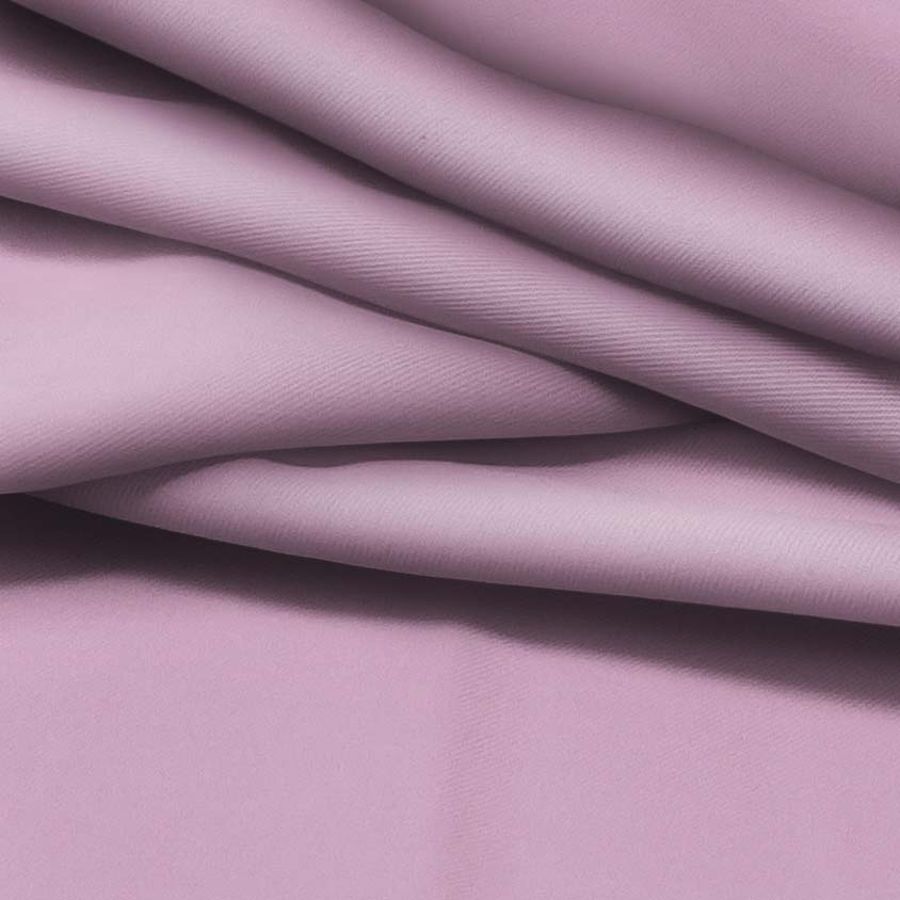
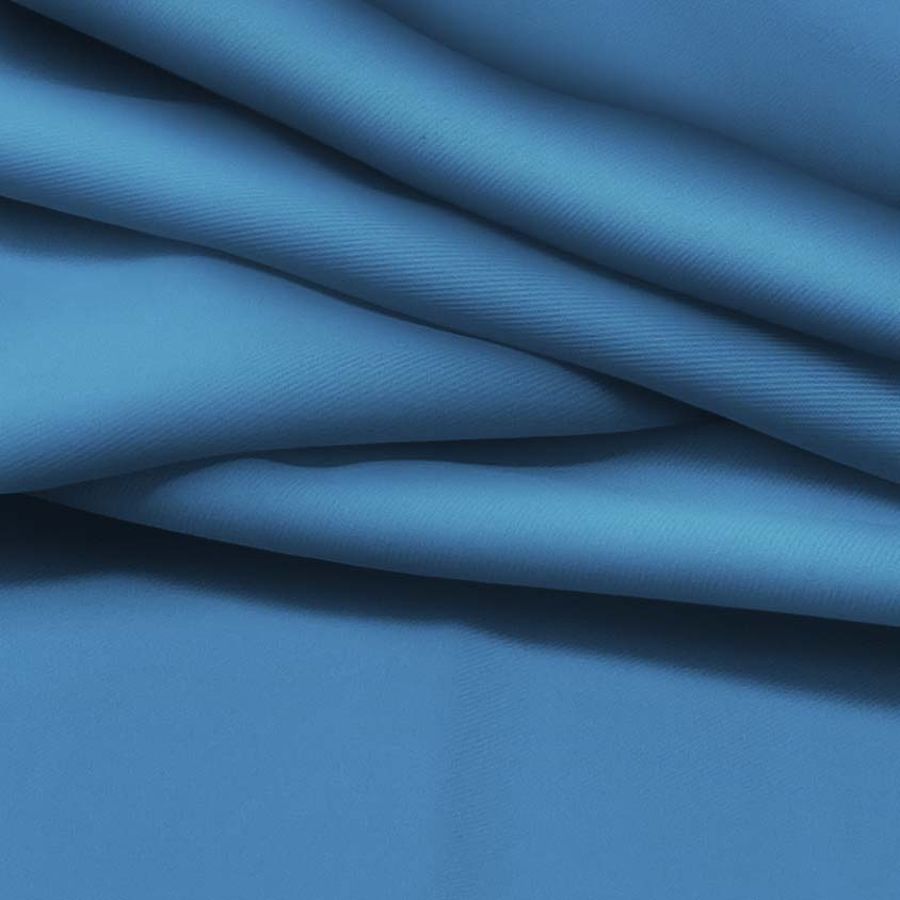
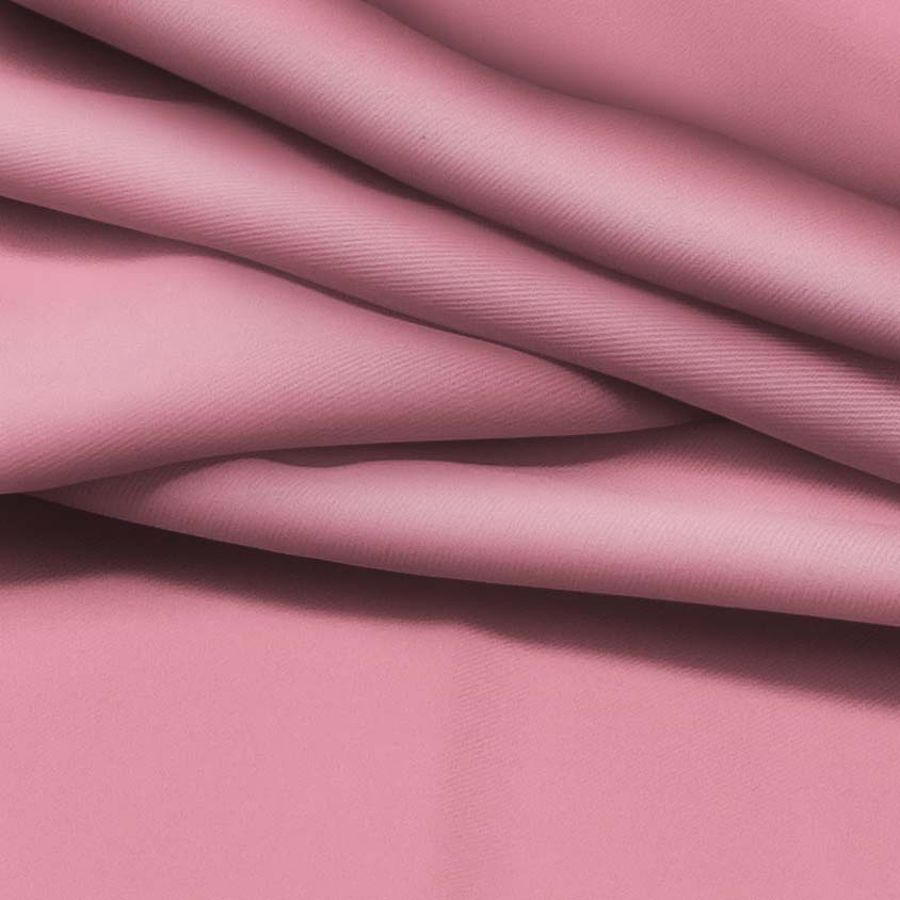
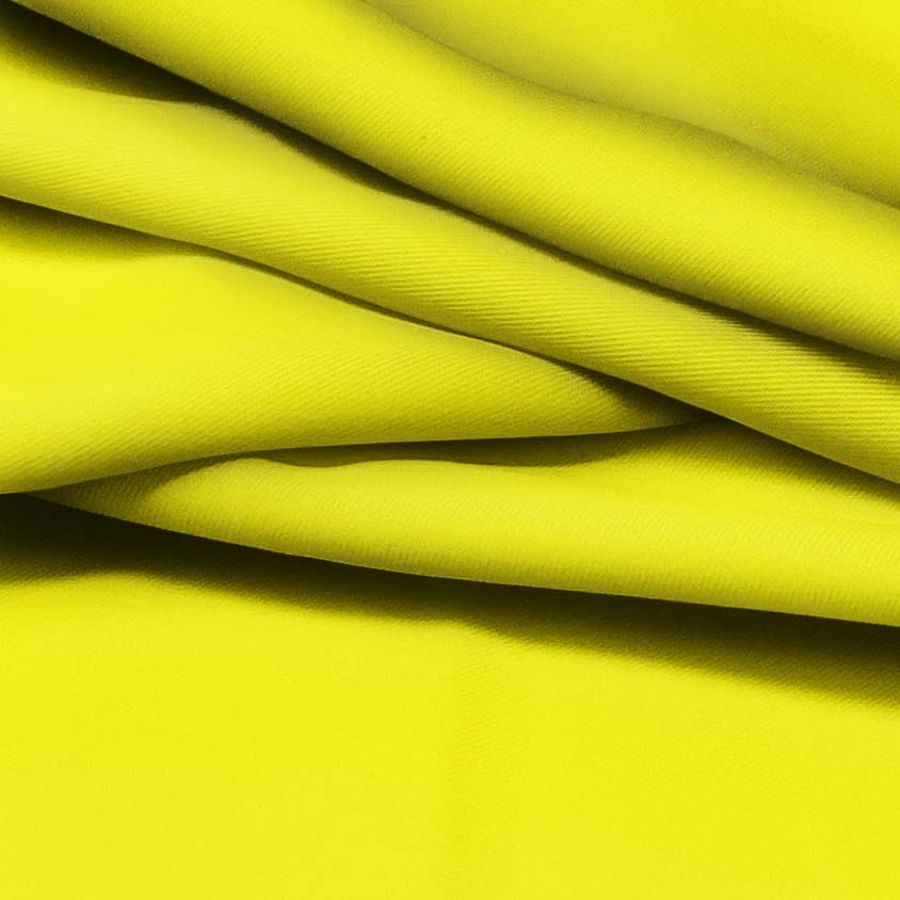
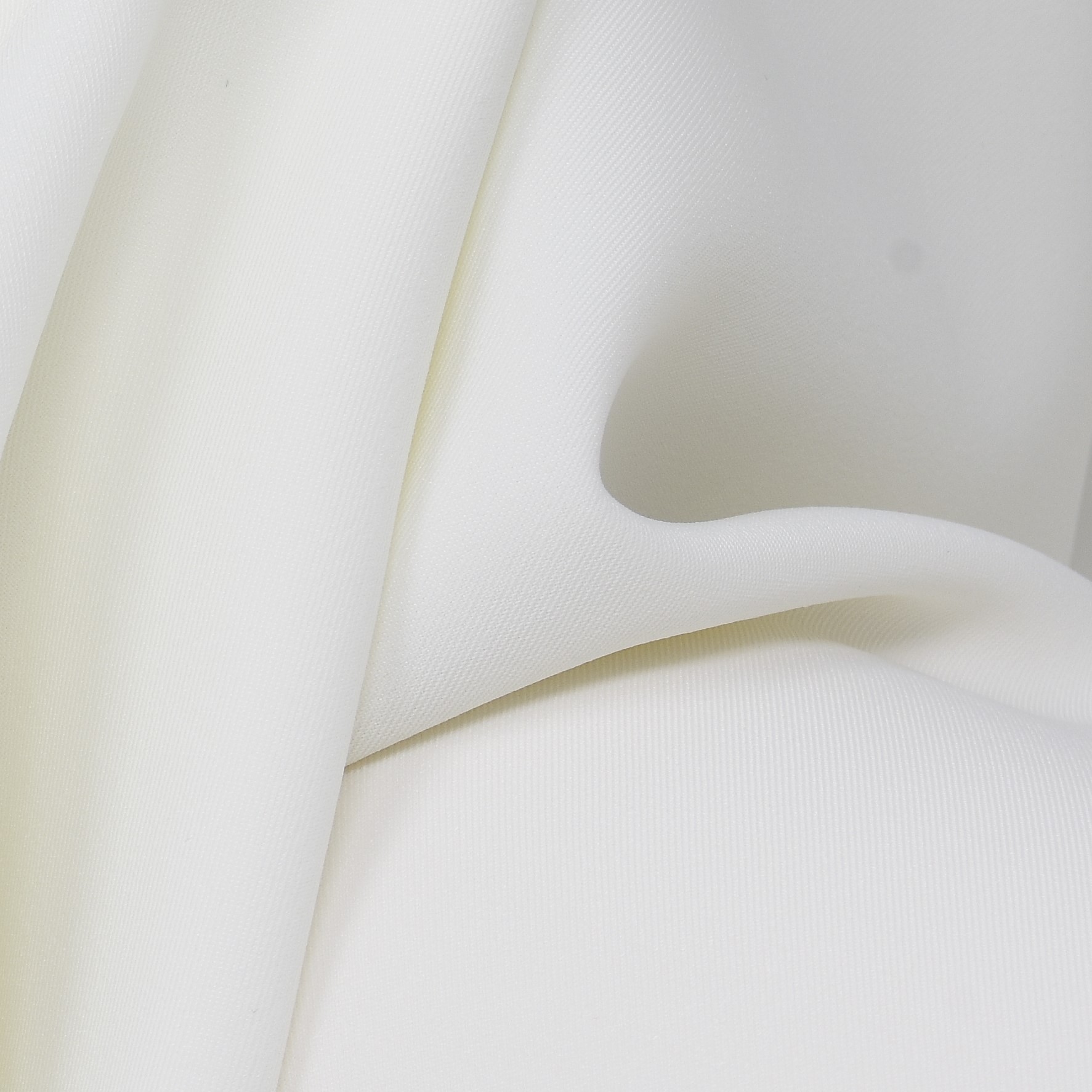
Sarga-Prada is a twill-type fabric with a composition of 96% polyester and 4% elastane, making it a lightweight and slightly elastic option. With a weight of 220 gr/m2 and a width of 150 cm, this fabric can be purchased in its natural color or can be printed with personalized designs provided by the client, thanks to its sublimation printing technology specifically for polyester.
Regarding its applications and uses, Sarga-Prada is ideal for making fashion garments for both men and women, such as shirts, skirts, blouses, and dresses, providing comfort and fluidity to the garments. Its soft and thin texture makes it a perfect option for the summer season. Likewise, this fabric can also be used in accessories such as scarves, which opens up the possibility of expanding its applicability in the field of fashion and design.
It is essential to consider the specific care instructions to maintain the properties and quality of the Sarga-Prada fabric. Among them, it is recommended not to use bleach, wash at a maximum temperature of 30°C, and avoid the use of trichloroethylene in dry cleaning. In addition, it is important to iron at a cool temperature and not to use tumble dryers to better preserve the elasticity and characteristics of the material.
The printing technology for Sarga-Prada fabric is sublimation, specific for polyester. This process uses sublimation inks that turn into gas when heat is applied, adhering to the fabric and allowing the transfer of designs and colors uniformly and durably. This technique is ideal for creating personalized and high-quality garments and accessories, as the results are resistant to washing, wear, and the passage of time.
Excelente la calidad de la tela y el estampado. Ha llegado rapidisimo!!
Muy agradecida por la profesionalidad de la empresa. Quedó precioso.
Las telas me encantan. El servicio de impresión y atención al cliente es muy bueno
El estampado ha quedado precioso. El diseño del estampado tiene colores muy vibrantes y han quedado genial
Increible la gran gama de verdes de que disponen. Genial
Tejido de precioso tacto, preciosa carta de colores!
Todo bien, gracias!
La caida es elegante y la impresión perfecta - muchas gracias